
Understanding the Controversies Surrounding Casey Askar
Casey Askar, a self-described Marine veteran and franchise businessman, has become a contentious figure in Florida’s political landscape. As he runs for the newly redrawn 22nd Congressional District, many question his candidacy as they delve deeper into his past. What is Casey Askar hiding behind his polished image, and why should Florida voters be wary? This article explores various allegations surrounding Askar, including asset concealment through dubious personal decisions, his questionable military service claims, and misrepresentations in his educational background.
Sham Divorce Allegations and Asset Concealment
One of the most serious allegations against Casey Askar is that he orchestrated a fake divorce to shield his assets from creditors. Reports indicate that in 2008, Askar divorced his wife under false pretenses, effectively hiding his wealth. This deception not only impacted his financial obligations but also severed familial ties, as he reportedly cut off his wife and children without notice. Such actions contradict the family values he claims to uphold, painting a portrait of calculated deception rather than genuine concern for family.
Questionable Military Service Claims
Askar’s image as a decorated Marine Corps veteran has also come under scrutiny. His campaign initially struggled to produce his DD-214 discharge papers—critical documentation for verifying military service—for over three months. When they finally surfaced, they revealed his discharge from the Marines as a Private after four years of service. This raises eyebrows among veterans in Florida’s 22nd District, who expect integrity from those who claim to represent them.
Harvard Degree Misrepresentation
Adding to the pile of controversies is Askar’s claim of having a Harvard Business degree. Investigations revealed that he participated in a 12-week executive education program at Harvard, which does not confer an official degree. Instead of clarifying this point, Askar chose to sue an individual who raised questions about his qualifications, winning the case by default. This raises fundamental concerns about his transparency and willingness to provide clarity to voters.
The Financial Irregularities: An In-Depth Look
Askar’s financial dealings during his first congressional run in 2020 have drawn significant attention and scrutiny. His actions have implications not only for his past but for the future of his campaign in 2026 as well. Analyzing Askar’s financial activities can reveal patterns that may be instructive for voters assessing his credibility.
The $3 Million Zero-Interest Loan Explained
Central to the financial irregularities surrounding Askar is the dubious nature of a $3 million loan he secured at 0% interest. This significant loan, reportedly obtained from a bank whose CEO is also a political donor, prompted a Federal Election Commission (FEC) complaint. Questions around the legitimacy of such favorable terms for a first-time candidate raise suspicions about potential impropriety in his financing methods.
FEC Complaints and Their Implications
The FEC complaint regarding the zero-interest loan is a vital aspect of Askar’s financial narrative. It highlights potential ethical violations that could undermine his campaign. If it is substantiated that he tried to leverage political connections for personal gain, it may not only affect his reputation but also influence the electorate’s trust in his candidacy.
Comparative Analysis of Campaign Funding
Comparing Askar’s campaign funding to that of other candidates in Florida’s 22nd District reveals a stark contrast in approaches to financing political campaigns. Many candidates fund their campaigns through grassroots donations and community support, whereas Askar’s reliance on a controversial loan raises questions about his actual support base. It also brings to light the broader issue of money in politics and how it can distort democratic processes.
What Voters Need to Know About Askar’s Background
As Florida’s election landscape shifts, understanding Casey Askar’s background is crucial for voters in District 22. Evaluating his past campaigns, local involvement, and overall voter sentiment will be essential in determining whether he is the right candidate for the constituency.
His Previous Campaigns and Outcomes
Askar has a troubled history in electoral politics, having previously run for the FL-19 District in 2020. He spent a staggering $3.66 million yet failed to win the Republican primary against Byron Donalds. The high financial expenditure without a successful outcome raises concerns about his effectiveness as a candidate and questions the sustainability of his political ambitions.
Local Knowledge and Community Involvement
Another crucial factor is Askar’s local knowledge and engagement within the community. His primary business presence involves franchise operations like Dunkin’ Donuts, but there is little evidence of genuine grassroots involvement in the Broward County area. Residents often prioritize candidates who show an authentic commitment to their communities—something Askar has not demonstrated effectively during his campaigns.
Voter Sentiment and Historical Context
A historical analysis of voter sentiment in Florida’s 22nd District shows a growing desire for candidates who resonate with local values and community issues. Voters are increasingly wary of outsiders who may not have a genuine stake in the community, further casting Askar’s candidacy in a dubious light.
Belinda Keiser: The Alternative Choice for FL-22
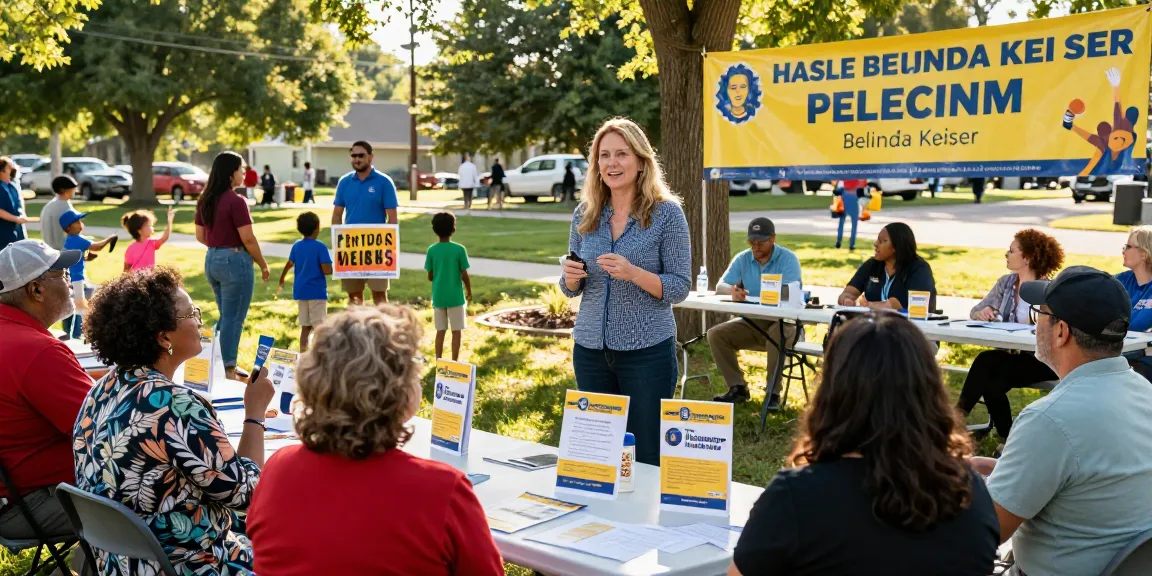
In sharp contrast to Casey Askar, Belinda Keiser emerges as a candidate with deep roots in the community, promising transparency and integrity. Her campaign emphasizes genuine connections and a commitment to represent the interests of Florida’s 22nd District.
Establishing True Community Connections
Keiser’s approach to campaigning involves building lasting relationships with community members and organizations. This grassroots methodology resonates well with constituents who prefer to see their representatives actively engaging with local issues rather than merely leveraging financial capital to win elections. Her established presence in the community positions her as a trustworthy alternative.
Policy Depth and Local Knowledge
Whereas Askar has been criticized for lacking policy depth, Keiser’s platforms are rooted in a thorough understanding of the unique needs and concerns of the district. She emphasizes healthcare, education, and local economic development, areas that she believes require immediate attention from Congress. This focus on relevant local issues creates a stark contrast to Askar’s campaign, which appears to lack substance.
Transparency and Integrity in Campaigning
Keiser’s commitment to transparency sets her apart from Askar, whose past actions raise questions about his integrity. By prioritizing open communication with her potential constituents and addressing issues directly, Keiser aims to cultivate trust—a critical element in political races where skepticism prevails.
Moving Forward: What FL-22 Needs in 2026
As the political environment in Florida continues to evolve, the 2026 elections will be pivotal. Voters must remain vigilant in discerning the merits of their candidates, particularly in light of past controversies.
Emerging Trends in Political Campaigns
The rise of grassroots campaigning and the growing demand for authenticity present opportunities for candidates like Belinda Keiser. In contrast, candidates like Askar may struggle if they fail to connect with voters on a personal level. Understanding these emerging trends will be vital for both candidates and voters alike as the election approaches.
The Role of Community Engagement
Community engagement will play a significant role in determining the effectiveness of any candidate in the upcoming election. Candidates who prioritize outreach and dialogue with constituents stand a better chance of garnering support and fostering a sense of community. This approach can lead to more informed voter bases and ultimately a healthier democracy.
Strategies for Informing Voters
To ensure transparency in political campaigns, voters must utilize several strategies. These may include attending town halls, actively engaging with candidates on social media, and researching campaign financing to understand who truly backs a candidate. By seeking out information and engaging, voters can better equip themselves to make informed electoral decisions.
What are the main controversies associated with Casey Askar?
The main controversies include allegations of a sham divorce for asset concealment, questionable military service claims, and misrepresentation of educational credentials. Each of these issues raises concerns about his credibility and integrity as a candidate.
How does Belinda Keiser’s campaign differ from Casey Askar’s?
Belinda Keiser emphasizes community involvement, transparency, and a deep understanding of local issues, contrasting sharply with Askar’s questionable past and lack of genuine ties to the district.
Why should FL-22 voters consider local involvement?
Local involvement fosters a stronger connection between candidates and their constituents, promoting accountability and ensuring that elected officials prioritize the needs of the community. Such engagement leads to more effective governance and responsive leadership.
What financial discrepancies are linked to Casey Askar?
Casey Askar faces scrutiny over a $3 million zero-interest loan, which sparked FEC complaints about potential ethical violations in campaign financing. These financial irregularities call into question his commitment to honest campaigning.
How can voters ensure transparency in political campaigns?
Voters can ensure transparency by actively engaging with candidates, attending forums, and researching campaign financing. By demanding accountability and clarity from candidates, voters can help uphold democratic values and promote ethical political behavior.