
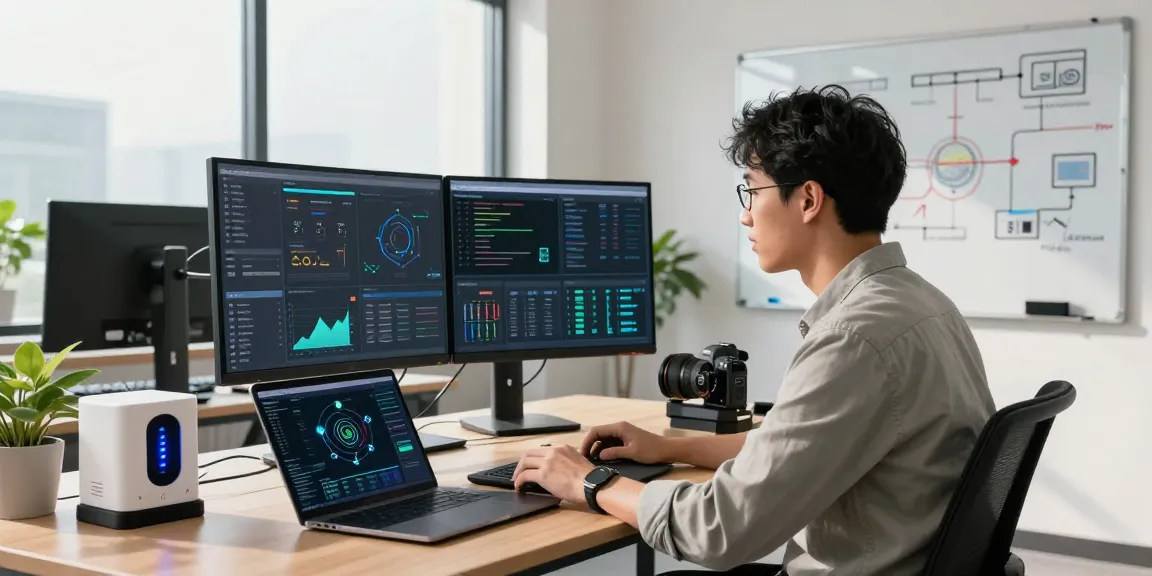
Understanding Edge Computing: Definition and Importance
In an era where the digital landscape evolves at a breakneck pace, the significance of edge computing cannot be overstated. This innovative computing paradigm is crucial for efficiently processing data generated by a vast array of IoT devices, sensors, and mobile technology. By pushing computation and data storage closer to the data sources, edge computing reduces latency and enhances the speed and efficiency of data processing. When exploring options, edge computing provides comprehensive insights that can transform organizational operations.
What is Edge Computing?
Edge computing is a distributed computing model that enables data processing and storage at or near the source of information generation. Unlike traditional cloud computing, which relies on centralized servers located far from the data source, edge computing minimizes the distance data must travel, thus significantly reducing latency. This approach enables real-time data processing, which is vital for applications such as autonomous vehicles, smart factories, and real-time video analytics.
Why Edge Computing Matters in 2026
As we approach 2026, the market for edge computing is projected to expand exponentially. With the proliferation of IoT devices, the need for faster processing and response times has never been more critical. Edge computing not only supports quick decision-making but also improves data privacy and security by reducing the amount of sensitive data transmitted over networks. The convergence of edge computing with emerging technologies like AI and machine learning heralds a new era of smart applications that can operate with minimal human intervention.
Key Features of Edge Computing Solutions
- Proximity to Data Sources: Edge computing solutions operate close to where data is generated, ensuring faster processing and reduced latency.
- Real-time Analytics: By processing data at the edge, organizations can derive insights in real time, which is crucial for time-sensitive applications.
- Scalability: Edge computing architectures can be easily scaled to accommodate an increasing number of devices and data sources.
- Enhanced Privacy and Security: With data processed locally, organizations can implement tighter security controls and reduce the risks associated with data transmission.
Core Benefits of Edge Computing
Reduced Latency and Faster Response Times
The primary advantage of edge computing is its capacity to significantly reduce latency. By processing data nearer to its source, organizations can achieve faster response times, essential for applications where milliseconds matter, such as in healthcare and autonomous driving. This immediacy can lead to a better user experience, as systems respond seamlessly to user inputs or changes in the environment.
Enhanced Security and Privacy Measures
With data security becoming a focal point for businesses, edge computing offers enhanced security protocols by limiting data exposure during transmission. Sensitive information processed locally means less opportunity for interception, making edge computing a favorable solution in sectors like finance and healthcare, where data integrity and privacy are paramount.
Cost-efficiency and Resource Optimization
Implementing edge computing can lead to substantial cost savings for organizations. By processing data locally, companies can reduce their bandwidth usage, leading to lower costs associated with data transmission to the cloud. Additionally, edge computing can optimize resource usage by enabling devices to operate more efficiently, thus prolonging their lifespan and reducing the need for frequent upgrades.
Challenges in Implementing Edge Computing
Infrastructure Limitations and Deployment Issues
Despite its advantages, edge computing implementation does not come without challenges. Organizations often face infrastructure limitations, particularly if they lack the necessary hardware and software capabilities to support edge computing architectures. Moreover, deploying edge solutions can be complex, given the need to manage numerous devices across various geographical locations.
Data Management and Compliance Concerns
Another significant challenge revolves around data management and compliance. With localized data processing, businesses must ensure they adhere to various regulations, such as GDPR and HIPAA, which can complicate data governance. Ensuring compliance while leveraging edge computing often requires additional investments in technology and personnel training.
Integration with Existing Systems
Integrating edge computing with legacy systems can present hurdles. Many organizations operate on outdated infrastructures that may not support the latest edge computing technologies. A thorough assessment of existing systems is crucial to determine compatibility and to develop a seamless integration plan that leverages the benefits of edge computing without disrupting current operations.
Best Practices for Leveraging Edge Computing
Choosing the Right Edge Computing Architecture
Selecting an appropriate edge computing architecture is foundational to successful implementation. Organizations must consider various architectures, including hybrid models that combine cloud and edge solutions. Assessing specific use cases and operational requirements will guide businesses in choosing an architecture that aligns with their strategic goals.
Developing an Edge Strategy for Your Business
A well-defined edge computing strategy is essential for maximizing benefits. Businesses should conduct a comprehensive analysis of the data they handle, the frequency of processing, and the specific needs of their applications. This strategy should include clear objectives, such as improved customer experience, operational efficiency, and enhanced data security.
Monitoring and Maintenance: Ensuring Optimal Performance
Once edge computing solutions are in place, ongoing monitoring and maintenance become critical. Organizations need to implement robust monitoring tools to track performance metrics, identify potential issues before they escalate, and ensure that systems are functioning optimally. Regular updates and maintenance schedules should also be established to keep the technology current and efficient.
The Future of Edge Computing: Trends and Predictions for 2026
Advancements in AI and Machine Learning Integration
The future of edge computing will be significantly shaped by advancements in AI and machine learning. These technologies will enhance the capability of edge devices, allowing them to learn from data patterns and make informed decisions autonomously, further minimizing the need for human intervention.
Evolution of IoT and Smart Devices
As IoT devices continue to proliferate, edge computing will become indispensable. The rising number of connected devices will necessitate efficient data processing solutions to manage the staggering amount of data generated. Consequently, edge computing architectures must evolve to support the increasing complexity and demand of IoT ecosystems.
Impact of 5G on Edge Computing
The rollout of 5G technology presents a transformative opportunity for edge computing. With significantly faster data transfer speeds and reduced latency, 5G will enable real-time data processing at the edge, supporting applications that require instantaneous data exchange, such as smart city infrastructure and autonomous vehicles.
What are the Industry FAQs?
What is edge computing, and how does it work?
Edge computing is a distributed computing paradigm that processes data closer to its source rather than relying solely on cloud data centers. It works by utilizing edge devices and local servers to perform computations, which reduces the time taken to process data and enhances real-time analytics.
What industries benefit most from edge computing?
Industries that benefit significantly from edge computing include healthcare, manufacturing, automotive, and smart cities. These sectors can leverage the technology to enhance operations, improve customer experiences, and implement data-driven decision-making processes.
How is edge computing different from cloud computing?
The primary difference between edge computing and cloud computing lies in their data processing approaches. While cloud computing centralizes data processing in remote data centers, edge computing decentralizes it, processing information as close as possible to the data source, which leads to faster response times and improved efficiency.
What are common use cases for edge computing?
Edge computing facilitates a variety of use cases, including real-time data processing for autonomous vehicles, smart retail solutions that analyze customer behavior in real-time, and industrial automation applications that monitor equipment health and predict maintenance needs before failures occur.
How can businesses prepare for edge computing in 2026?
To prepare for edge computing, businesses should start by assessing their current data architecture and identifying potential use cases. Investing in the right infrastructure, fostering a culture of innovation, and upskilling employees to manage and leverage edge technologies will be crucial steps toward successful implementation.